Adult Strabismus and Self-Confidence: What Patients Don’t Talk About
- Get link
- X
- Other Apps
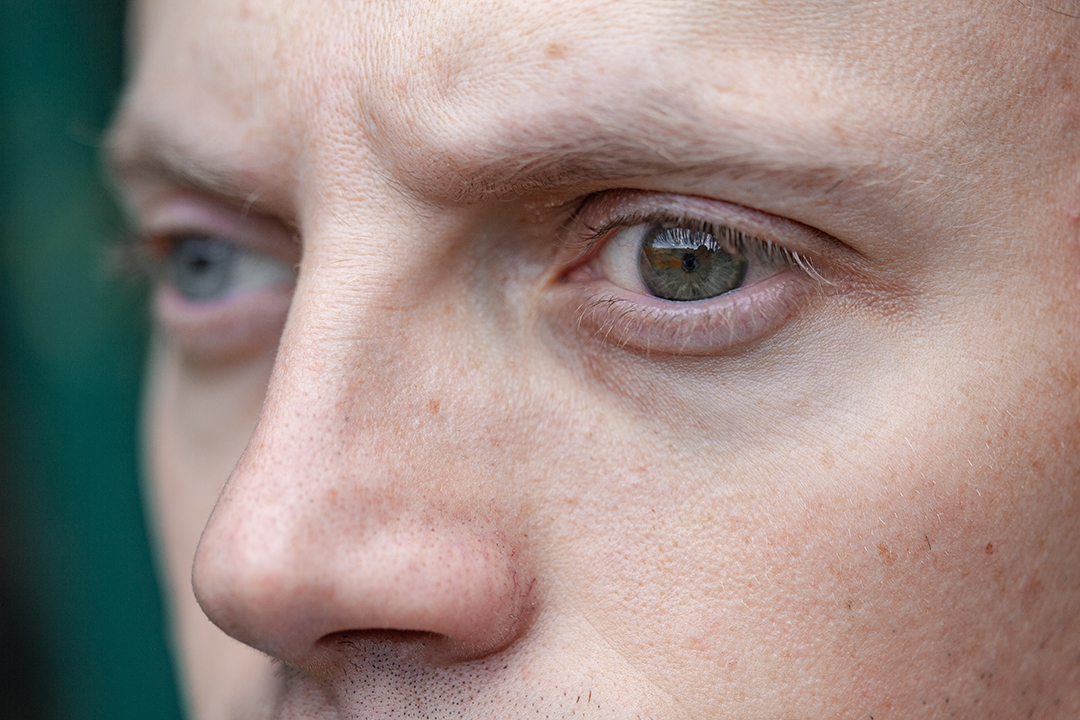
Living with adult strabismus often affects more than vision, yet many patients hesitate to talk about how it impacts self-confidence, relationships, and everyday interactions. At PES Adult Strabismus Center, these concerns are recognized as an important part of care, not an afterthought. Many adults quietly adapt their behavior to cope, without realizing there are medical and surgical options designed specifically for them. If you’re ready to explore real solutions and move forward with confidence, schedule a consultation with PES Adult Strabismus Center today.
How does adult strabismus affect self-confidence?
Adult strabismus often affects self-confidence because eye alignment plays a major role in facial expression, eye contact, and how others interpret attention and engagement. Many adults describe the emotional impact as heavier than the physical signs and symptoms of the condition. Patients seen through PES Adult Strabismus Center frequently share that the discomfort comes not from vision alone, but from how misalignment changes social interactions and first impressions in everyday life.
How does strabismus influence self-image and self-esteem?
Adult strabismus commonly affects how individuals see themselves, even when others say the misalignment is subtle. Studies suggest that a majority of adults with strabismus report reduced self-esteem related to appearance, often describing themselves as “different” or less confident in public settings. Patients may avoid mirrors, dislike being photographed, or feel uncomfortable on video calls, despite functioning well in other areas of life.
This negative self-image often persists because many adults minimize their own distress, framing it as cosmetic rather than recognizing its broader emotional impact. PES Adult Strabismus Center regularly sees patients who are surprised to learn that these concerns are both common and valid within ophthalmology.
Why does the emotional impact of adult strabismus often go unnoticed or unspoken?
The emotional effects of adult strabismus are frequently hidden because many adults learn to adapt rather than speak up. Over time, people normalize discomfort with photos, eye contact, or group conversations, assuming it is something they simply have to live with. These adaptations can make the confidence impact difficult to recognize, even for family members or clinicians, unless it is specifically discussed during care.
What is the hidden social burden of adult strabismus?
Adult strabismus is strongly associated with social anxiety and avoidance behaviors that can quietly limit social and professional participation. Research shows higher rates of social phobia among unoperated adults, and these patterns often develop gradually rather than suddenly.
Common social adaptations include:
-
Avoiding prolonged eye contact
-
Skipping group photos or social events
-
Choosing seating, lighting, or positioning to mask eye alignment
Over time, these behaviors can shrink social circles and reduce confidence in unfamiliar or high-visibility situations.
Request Your Consultation Today!
Receive a call from our senior leadership team before your appointment.
Is the emotional impact connected to mental health?
Yes, the confidence impact of adult strabismus is measurable and closely linked to mental health outcomes. Adults with long-standing strabismus show higher rates of anxiety and depressive symptoms compared with peers, even when visual perception and acuity are otherwise good. In quality-of-life studies, adults with strabismus often score worse on vision-specific mental health measures than patients with other eye disease.
These findings reinforce that the emotional burden is not vanity, but a meaningful health concern that deserves attention during evaluation and treatment planning.
How can adult strabismus affect work and relationships?
Strabismus can influence professional opportunities and interpersonal relationship dynamics, particularly in roles that emphasize face-to-face communication. Adults may hesitate to apply for promotions, attend interviews, or speak up in meetings due to discomfort with eye contact or fear of negative judgment. Patients often report feeling misunderstood or overlooked, even when their skills and experience are strong.
In personal relationships, misalignment-related anxiety can affect dating, communication, and social confidence, further reinforcing avoidance patterns over time.
Can treatment improve confidence in adults with strabismus?
Yes, adult strabismus treatment is consistently associated with improved confidence, reduced social anxiety, and better quality-of-life scores when alignment is successfully addressed. Research shows that adults often feel more comfortable making eye contact, engaging socially, and participating in professional settings after surgery. These improvements are reported even when alignment is improved rather than perfect.
PES Adult Strabismus Center frequently sees confidence gains reflected in patients’ willingness to re-engage socially and pursue opportunities they previously avoided.
What do studies show after strabismus surgery?
Multiple studies demonstrate significant psychosocial benefits following strabismus surgery in adults. Patients commonly report feeling less self-conscious, less stressed about their appearance, and more comfortable interacting with others. Longitudinal data show continued improvement in psychosocial and functional scores from six weeks to at least one year after surgery when alignment remains stable.
These improvements highlight that surgery can deliver meaningful benefits beyond visual alignment alone.
Take the Next Step Toward Feeling More Confident
Adult strabismus affects more than vision, and its impact on confidence is real, common, and treatable. If misalignment is influencing your self-esteem, social comfort, or everyday life, a focused evaluation can help clarify your options. Schedule a consultation with PES Adult Strabismus Center to discuss personalized treatment paths and what improvement could look like for you. Take the next step toward greater confidence with PES Adult Strabismus Center today!
from Adult Strabismus and Self-Confidence: What Patients Don’t Talk About https://ift.tt/CfpmGRt
via PES Adult Strabismus Center
- Get link
- X
- Other Apps

Comments
Post a Comment